
ESSLElliott Strategic Solutions Let's talk

ESSL Coaching

Systemic executive leadership coaching

Coaching for senior executives, and the organisations that appoint them, at the moments where leadership risk is highest: before a hire, in the first 100 days, and through high-stakes transitions. We work on the leader and the system around them, together.

Led by Jonathan Elliott: AACT-accredited coach (Accredited Award in Coach Training, Association for Coaching), Hogan-certified assessor (HPI, HDS, MVPI), Harthill Leadership Development Profile (LDP) Authorised Practitioner, and former Managing Director and Head of Experis Europe ($1.8Bn P&L). Coaching in English and French.

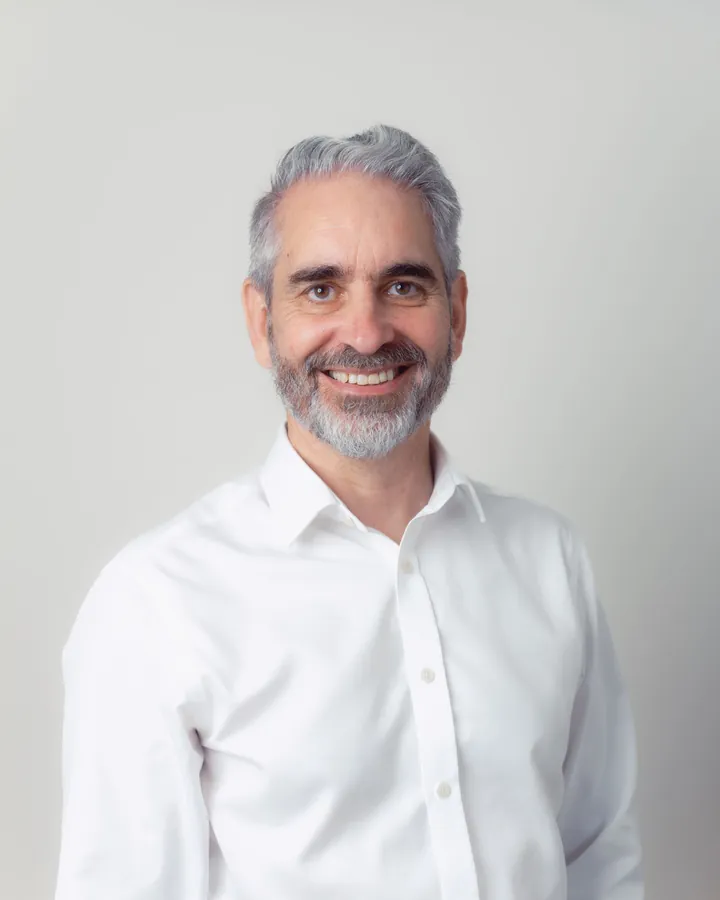
Jonathan Elliott, lead coach at ESSL Coaching
Jonathan ElliottLead coach, ESSL Coaching
Two people in a one-to-one conversation at a small table by a window

Who this is for

Two ways to work with us

For organisations

Commissioning leadership due diligence before a hire, coaching through the first 100 days, or support for an in-role transition such as post-M&A integration or scale-up.

For senior executives

Working with ESSL directly at your own inflection point: in the role, preparing for a step-up, or transitioning between roles.

Operator experience and developmental training rarely sit in one coach. At ESSL they do.

ESSL's coaching is led by someone who has run people businesses at scale, including a $1.8Bn business as Managing Director and Head of Experis Europe at ManpowerGroup, a role he held for four years, spanning 35 entities and 23 countries — the business of judging, placing and developing people.

Having hired, developed and led leaders at that scale, he trained as a systemic executive coach (AACT-accredited), working on the leader and the system around them together, and qualified in two instruments that serve selection and development alike: Hogan, which reads how a leader is perceived and where they derail under pressure, and the Harthill LDP, which works on how they make meaning and the level of complexity they can hold. Between them they inform the picture of a leader's developmental edges, and the coaching that follows. Many practitioners hold one of these; few combine them with having carried the P&L.

Positioning

A rare combination

The patterns that built a strong track record are rarely the ones the next level of role demands. We coach to close that gap, with both halves of the experience it takes.

Operator credibility

$1.8Bn business. 23 countries. The business of judging, placing and developing senior talent at scale — and living with the consequences.

Developmental practice

Hogan personality assessment, the Harthill Leadership Development Profile, and systemic coaching — the frameworks that explain why capable executives stall, and the practice of listening for how a leader makes meaning of their situation.

Developmental approach

Development is a deeply human business

The diagnostics open the conversation; the leader does the developing. Jonathan listens not only to what a leader says but to how they are making meaning of their situation, and works at the edge of that thinking. The aim is greater capacity, not a fix to a single behaviour.

Clients describe the result as greater clarity, perspective and hope in approaching difficult situations.

The problem

The shift we work on

Most leadership failures in high-growth and post-transaction environments aren't strategy failures. The strategy is usually sound. What's missing is the leadership capacity to execute it — and, just as often, a system around the leader that quietly works against them. We work on both at once: the leader, and the conditions they're operating in. Post-M&A integration is the clearest case: the human complexity is routinely underestimated, and it becomes a hidden cost of the deal.

The leader

Identity, authority, operating presence, and the developmental capacity to meet the next level of complexity.

The system

The structures, relationships and conditions around the leader that quietly work against execution.

Both at once

Addressing only one without the other is why most coaching interventions don't hold at the level of real complexity.

Method

The ESSL Five-Stage Leadership Programme

The method is rigorous; what distinguishes the work is the quality of attention behind it. Each stage addresses the leader and the system together.

The sequence is not arbitrary. Developmental capacity moves in a known order — the progression the Harthill LDP measures runs from the expert who is judged on being right, to the achiever who is judged on hitting the number, to the leader who builds systems that produce results through others. You cannot install the third in someone still operating as the second. The programme follows that progression deliberately: establishing the conditions for change, then the individual, then relationships, and finally the operating rhythms that make the shift permanent.

  1. System clarityOutcome: a clear answer on whether the friction is structural or leadership-based

    Is the friction structural or leadership-based? We use Xenergie's Enterprise Vitality model, a systemic analysis of where execution is actually breaking down and whether the cause sits in the operating model or in the leadership. It runs first, because coaching a leader for a problem the structure is creating wastes everyone's time.

  2. Leader readiness and diagnosticsOutcome: how this leader operates, and how much complexity they can hold

    A rigorous picture of the individual: Hogan (HPI, HDS, MVPI) for reputation, derailers and drivers; the Harthill LDP for developmental stage and leading edge; and a systemic read of the leader in context.

  3. Identity and authorityOutcome: authority owned, and operating presence rebuilt

    Resolve the tension between who the leader has been and what the role now demands — unowned authority, competing commitments, operating presence rebuilt.

  4. Relational dynamicsOutcome: friction resolved and boundaries reset in live relationships

    Test the internal shifts in live relationships — resolving friction, resetting boundaries, building presence with the people who matter most.

  5. Sustainable operating rhythmsOutcome: a 90-day plan, OKRs and operating disciplines that hold

    Embed the change — concrete 90-day plans, OKRs and operating disciplines that make it measurable and permanent.

How organisations work with us

Three points in the appointment lifecycle

Three points where leadership risk is highest and the cost of getting it wrong is greatest.

Pre-hire: leadership due diligence with operator judgement

Two different questions decide a senior appointment, and most processes only answer one. Hogan tells you how a candidate is wired and where they derail under pressure. The Harthill LDP tells you what level of complexity they can currently hold — which is what separates a strong functional leader from one who will operate at enterprise level. That difference is visible in advance, read by someone who carried the cost of a mis-hire on a real P&L.

Post-hire: the critical first 100 days

The period immediately after a senior appointment is where it succeeds or fails. Structured onboarding coaching accelerates time-to-performance, surfaces early friction before it entrenches, and protects the investment in the appointment.

In-role: high-stakes transitions and scale-up

For executives navigating post-M&A integration, rapid scale-up, or a material step-change in complexity: Enterprise Vitality analysis plus the full five-stage programme, addressing both the system and the leader. This is where the work moves from appointment protection to value creation.

Working with us as an individual executive

Not every engagement is commissioned by an organisation. We work directly with senior executives at their own inflection points.

In the role

The most common moment we're called isn't a crisis. It's a slow accumulation: the organisation has scaled, the role has expanded, the context has shifted — and the patterns that built the track record no longer carry it. That gap has a name and a measure, and it can be worked on directly. We work with executives who see it before it becomes visible to others.

Preparing for a step-up

A first P&L, a regional appointment, a move into the C-suite, the shift from functional to enterprise leadership. The capability gap is real, but it's rarely technical — it's identity, authority and operating presence. We work with executives who want to arrive ready, not just willing.

Navigating a transition

A period between roles is one of the most underused development windows a senior executive has. Free of operational noise, it's the space to take stock with rigour — what worked, what held you back, what the next chapter needs to be. We work with executives who want to use that window deliberately.

The result is an executive who owns their authority, accelerates decision velocity, and turns complex judgement into operating rhythms that drive repeatable performance — for themselves, their team, and the organisation.

Common questions

What does developmental coaching mean?

Developmental coaching works on a leader's capacity, not only their behaviour. Using the Harthill Leadership Development Profile, Jonathan reads how a leader makes meaning of their situation and works at the edge of that thinking, so the change holds as the complexity of the role grows.

What assessment instruments does ESSL Coaching use?

Hogan (HPI, HDS, MVPI) for reputation, derailers and drivers; the Harthill Leadership Development Profile (LDP) for developmental stage; and Xenergie's Enterprise Vitality model for a systemic read of where execution is breaking down across the business.

What coaching credentials does Jonathan Elliott hold?

He is a Hogan-certified assessor, a Harthill Leadership Development Profile (LDP) Authorised Practitioner, and holds the Accredited Award in Coach Training (AACT) from the Association for Coaching.

Who commissions ESSL coaching?

Organisations commission it at three points in the appointment lifecycle: pre-hire leadership due diligence, the first 100 days after a senior appointment, and in-role transitions such as post-M&A integration or rapid scale-up. Senior executives also engage ESSL directly at their own inflection points.

Do you coach in French?

Yes. Coaching is available in English and French.

How does a coaching engagement start?

With a 45-minute conversation. No diagnostic and no deck: a direct read on whether the gap you're facing is one ESSL is right for, and a clear answer either way.

Start with a conversation

If you're at one of these inflection points — or deciding whether someone you're about to appoint is — the next step is a 45-minute conversation. No diagnostic, no deck: a direct read on whether the gap you're facing is one we're the right people to work on, and a clear answer either way.